Contact us
Send Us Your Case Details
We’ll respond and let you know the best way to proceed with your case.

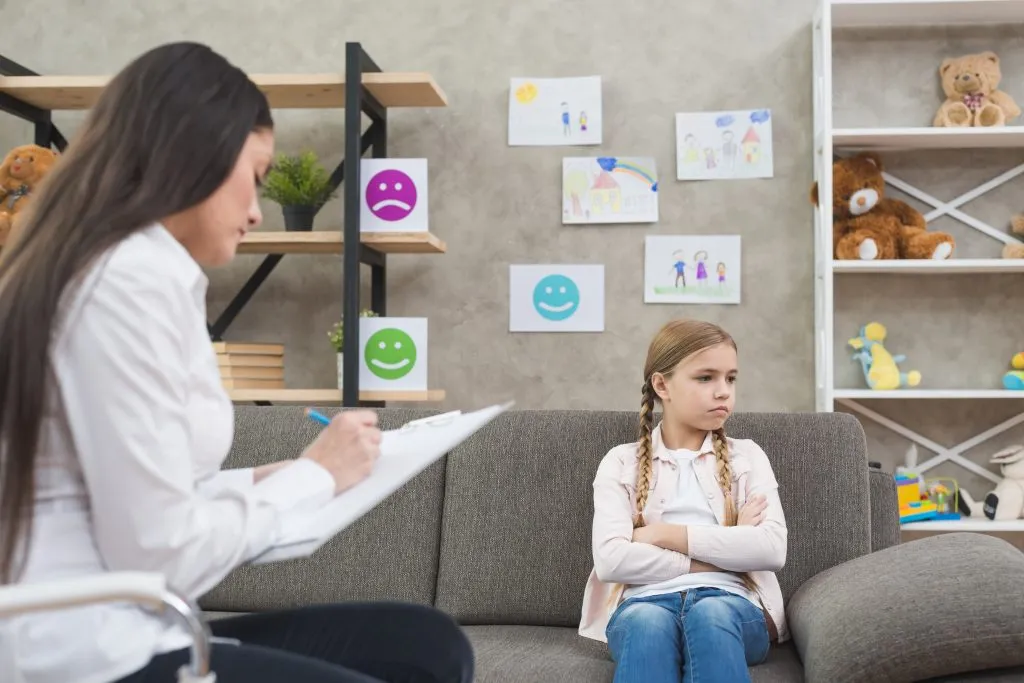
I’ve dedicated a significant part of my career to the protection and welfare of children. In doing so, I’ve encountered situations that involve child abuse and neglect, which are devastating realities for far too many children. In this article, based on factual accounts and real-life experiences, I will guide you through the process of identifying and responding to signs of child abuse and neglect.
Child abuse encompasses physical, emotional, and sexual harm inflicted upon a child, while neglect involves the failure to meet a child’s basic needs, including food, housing, healthcare, and emotional support. Both abuse and neglect can leave lasting scars on a child’s physical and psychological health.
Identifying child abuse or neglect is the first critical step towards intervention. Here are some signs you may encounter:
If you suspect a child is being abused or neglected, it’s crucial to take action. Here’s a step-by-step guide:
As an attorney, my role in these situations is manifold. I may represent a child or family in court, ensuring that the child’s rights and interests are safeguarded. I also provide advice and guidance to individuals who suspect abuse or neglect, helping them understand their legal obligations and options.
Child abuse and neglect are tragic realities that affect far too many children. As a society, we must remain vigilant, educated, and prepared to act. Identifying and responding to signs of abuse or neglect can be the difference between ongoing harm and the chance for a child to receive the help and protection they need.
Remember, it’s far better to report suspicions that turn out to be unfounded than to let a child continue to suffer in silence. By reporting, you’re not making a definitive declaration of abuse or neglect, but rather enabling professionals to assess the situation and ensure the child’s safety.
For those who work with or around children, it’s especially critical to understand the signs of abuse and neglect. Teachers, healthcare professionals, and caregivers are often the first to notice these signs and can play a crucial role in protecting children from harm.
For anyone who suspects a child may be the victim of abuse or neglect, I encourage you to seek advice and take appropriate action. It’s also important to remember that individuals who report suspected abuse or neglect in good faith are generally protected by law from civil liability.
As an attorney, my primary goal is to protect and advocate for my clients’ rights and interests. In cases of child abuse and neglect, this often involves working with various agencies and the court system to ensure that the child’s best interests are the paramount consideration. It’s a role that carries great responsibility, but also the potential to make a real difference in a child’s life.
In conclusion, child abuse and neglect are serious issues that require awareness, understanding, and decisive action. By knowing how to identify the signs and respond appropriately, we can all play a part in protecting children and supporting those who need our help. It’s a collective effort – and one that can bring about powerful change for the better.