Contact us
Send Us Your Case Details
We’ll respond and let you know the best way to proceed with your case.


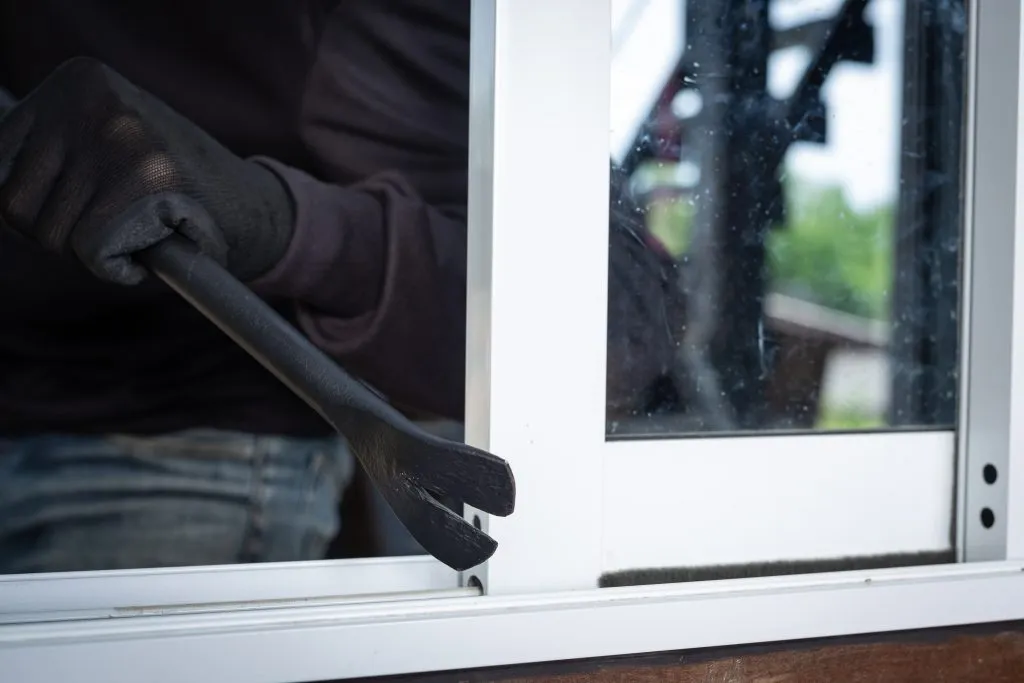
I’ve encountered firsthand the profound effects that burglaries and robberies can have on the safety and stability of neighborhoods. These crimes not only inflict material loss but also cause a ripple effect that can alter the sense of community, safety, and well-being of a neighborhood.
Burglaries and robberies are invasive crimes that go beyond the immediate material loss of stolen goods. They strike at the heart of what we consider our safe havens – our homes and our communities.
A burglary or robbery inevitably leads to material loss. This loss, however, can extend beyond the stolen items to include property damage during the break-in. The aftermath often involves repairs, increased insurance premiums, and replacing stolen items, leading to financial strain on the victims.
Perhaps even more debilitating than the material loss is the psychological trauma caused by these crimes. The invasion of personal space can leave victims feeling violated and fearful. The home, once seen as a sanctuary, can become a constant reminder of the incident, leading to anxiety, stress, and even post-traumatic stress disorder (PTSD).
When burglaries and robberies strike, the shockwaves go beyond the immediate victims. The entire neighborhood can become steeped in fear and mistrust, altering the very fabric of the community.
An increase in these crimes can significantly impact the sense of community. Neighbors may become more suspicious and less trusting, leading to a breakdown in communal relationships. This distrust can undermine neighborhood initiatives, create divisions, and reduce the overall quality of life in the area.
A neighborhood’s perception of safety can be drastically affected by these crimes. Even if the actual crime rate remains relatively low, a single burglary or robbery can instill fear and foster a perception that the area is unsafe. This fear can affect daily routines, limit social interactions, and lead to residents moving out, further destabilizing the community.
In the long term, repeated burglaries and robberies can have serious repercussions for a neighborhood, leading to a vicious cycle of crime and decline.
Crime rates are a significant factor in property values. A neighborhood plagued by burglaries and robberies can see a sharp decrease in property values, affecting the wealth of residents and the local economy. Businesses may also suffer as customers choose safer areas to shop and dine, leading to further economic decline.
A neighborhood perceived as easy prey for burglars and robbers can attract more crime, leading to an escalating cycle. As crime rates rise, the neighborhood’s reputation suffers, deterring potential new residents and businesses and further fueling the cycle of decline.
The impact of burglaries and robberies on neighborhood safety underscores the urgency of proactive crime prevention measures. It’s crucial for residents, law enforcement, and local government to work together to implement strategies that deter crime, such as neighborhood watch programs, improved lighting and security, and community education initiatives.
Remember, the ripple effects of burglaries and robberies extend far beyond the immediate victims. These crimes can destabilize communities, erode trust, and precipitate a cycle of decline. By understanding the profound impacts and taking concerted action, we can create safer, more resilient neighborhoods that stand strong in the face of crime.